


Generative AI Example: A Deep Dive into Real-World Applications
In the age of rapid digital transformation, generative AI has become one of the most talked-about technologies. But beyond the buzz, what generative ai example truly looks like in everyday business, creativity, and innovation? From tools that write text to systems that design products, generative AI is reshaping how organizations operate, create, and compete. In this post, we unpack powerful examples that are already delivering tangible results — all backed by reputable sources — and show how businesses, including yours with support from Clickora Digital (www.clickoradigital.com), can harness this shift.
Understanding Generative AI: What It Is and Why It Matters
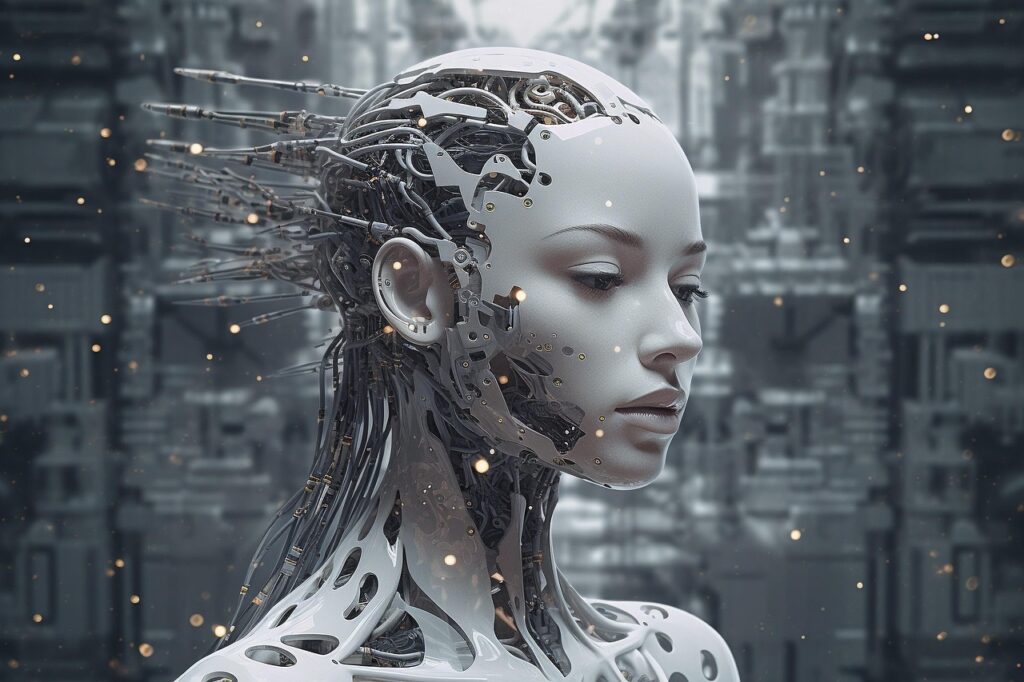
At its core, generative AI refers to a class of artificial intelligence systems that can generate new data — such as text, images, audio, and even molecular structures — based on patterns learned from existing examples. Unlike traditional AI, which focuses on classification or prediction, generative AI creates novel content. SAP
A classic generative ai example is a language model like ChatGPT generating a full article from a simple prompt, or an image model like DALL-E producing artwork from text descriptions — both showcasing how the system creates new content rather than simply analyzing data. impressit.io
This ability to invent and generate has opened doors across industries, making generative AI a foundational technology for innovation in 2026 and beyond.
Top Generative AI Example Use Cases Across Industries
Below are real-world generative ai example implementations that demonstrate how industries are leveraging this technology.
1. Content Creation & Creative Workflows
One of the most visible generative AI examples is in content generation. Tools like ChatGPT, Jasper, and Copy.ai are helping businesses automate writing tasks such as blogs, ads, product descriptions, and social media content — boosting productivity while maintaining brand voice consistency. blog.iteanz.com
A real generative ai example here includes AI assisting content teams to draft email campaigns in minutes or generate video scripts for marketing outreach — accelerating creative workflows without sacrificing quality.
2. Visual Art, Design, and Media Production
Generative AI isn’t confined to text — models such as DALL-E and Stable Diffusion can produce images and design assets from text prompts. This unlocks creativity for designers and marketers alike. impressit.io
For example, an advertising team can describe a campaign concept in words and receive several visual options in minutes — a direct generative ai example of reducing design turn-around time and creative costs.
3. Healthcare Innovation
Healthcare providers are embracing generative AI in several transformative ways. For instance, models can generate synthetic medical images that train diagnostic systems where real data is scarce, or help researchers discover new drug candidates by exploring molecular structures more quickly than traditional methods. ema.co
This provides practical generative ai examples in accelerating drug discovery and improving medical training — tasks that would otherwise take years or require extensive manual analysis.
4. Financial Services and Risk Management
In finance, generative AI is used to analyze market data, generate compliance reports, and even detect anomalies that might indicate fraud. ema.co
A concrete generative ai example in this space is AI generating risk profiles and predictive analysis for investment decisions — enabling faster insights without manual report compilation.
5. Education and Personalized Learning
Educational platforms use generative AI to tailor lessons and materials based on a student’s progress, effectively creating educational content on the fly. Tools like AI tutors provide explanations, quizzes, and study guides dynamically. upGrad
This personalized approach represents a modern generative ai example of adaptive education that scales to individual learner needs.
6. Gaming and Interactive Environments
Generative AI is now embedded in interactive entertainment. Recent studies indicate that one in five games released on platforms like Steam in 2025 include generative AI for asset creation, audio, narrative, or interactive content. Tom’s Hardware
This industry use — where AI dynamically contributes to game development or gameplay responses — is another powerful generative ai example of how the technology enriches digital experiences.
20 Real-World Generative AI Example Use Cases
Here’s a detailed breakdown of powerful generative AI deployments across sectors:
- Automated Customer Support Chatbots – AI agents handle common queries 24/7, freeing human staff. impressit.io
- AI-Generated Marketing Copy – Create ad headlines and product descriptions. blog.iteanz.com
- Content Personalization Engines – Tailored newsletters and web content at scale. blog.iteanz.com
- Synthetic Medical Imaging – Train diagnostic algorithms using generated data. ema.co
- Drug Discovery Models – Generate molecular structures for novel treatments. ema.co
- Financial Forecast Summaries – Synthesized analytical reports from market data. nanobytetechnologies.com
- Instructional AI Tutors – Adaptive learning experiences per student. upGrad
- Image Design from Prompts – Create campaign visuals based on descriptions. impressit.io
- 3D Environment Generation for Games – AI builds detailed gaming worlds from text prompts. The Times of India
- Predictive Maintenance Models – Tackle industrial breakdowns before they happen. ProjectPro
- Quality Control Predictions – Identify manufacturing defects early. ProjectPro
- Automated Resume Screening for HR Teams – Speeds up candidate evaluations. IBM
- Virtual Assistants for Healthcare Scheduling – Generative AI organizes appointments. IBM
- Hyper-Personalized Product Recommendations – E-commerce suggestions based on behavior. nanobytetechnologies.com
- Intelligent Code Assistants – Tools generate and optimize code snippets. Wikipedia
- Automated Legal Document Drafting – AI drafts or checks contract clauses. Wikipedia
- Multimodal Creative Tools – Text-to-video generation for marketing. IBM
- Voice Synthesis & Audio Creation – AI creates natural narration or dubbing. Brolly Academy
- Real-Time Language Translation – Conversational generators assist global communication. Wikipedia
- Adaptive UX & UI Design – Personalizing interfaces based on user behavior. blog.iteanz.com
Benefits of Using Generative AI in Business
Today’s generative ai example implementations provide measurable business benefits:
Boosting Productivity
Generative AI automates repetitive tasks — from writing copy to generating visuals — enabling teams to focus on strategic goals. This increases organizational productivity across departments such as marketing, HR, and software development. blog.iteanz.com
Enhancing Creativity
AI provides new ideation tools, closing the gap between concept and execution. Teams can experiment faster and more cost-effectively than ever before. SAP
Cost Optimization
By automating elements of the content pipeline, design processes, and data analysis, businesses reduce overhead costs while improving output quality. blog.iteanz.com
Challenges and Ethical Considerations
Despite its many benefits, generative AI comes with challenges. Generated content may be inaccurate or biased if not properly trained, and organizations must navigate privacy and regulatory standards — especially in sectors like healthcare and finance. SAP
Additionally, some businesses have discovered that not all pilot AI initiatives deliver value; focusing on high-impact use cases is now a preferred strategy rather than broad experimentation. Wall Street Journal
How Clickora Digital Helps You Leverage Generative AI
At Clickora Digital, we specialize in helping brands use generative AI to amplify growth:
🔹 AI-Driven Content Strategy
We integrate real generative ai example workflows for content marketing, SEO, and social campaigns to boost traffic and engagement.
🔹 Custom Automation Solutions
From automated copy generation to predictive analytics, we tailor AI tools to your business needs.
🔹 Brand Competitive Edge
With expertise in AI-powered tech and digital transformation, our team at www.clickoradigital.com positions your company ahead of competitors.
Conclusion
Generative AI is more than a trending term — it’s already reshaping industries from healthcare to creative marketing with powerful, measurable generative ai example implementations. Whether it’s automating writing, generating visuals, improving diagnostics, or accelerating product design, the real-world applications continue to expand.
For businesses looking to harness this potential, partnering with experts like Clickora Digital enables strategic adoption that drives both innovation and long-term growth.
FAQ:-
What is a generative AI example in simple terms?

A generative AI example refers to a real-world use of artificial intelligence where the system creates new content such as text, images, audio, or data. Examples include AI tools that write blog posts, generate marketing images, or create personalized learning material based on user input.
How is generative AI different from traditional AI?

Traditional AI focuses on analyzing or predicting outcomes from existing data, while a generative AI example shows AI creating entirely new content. For instance, instead of classifying images, generative AI can produce original images from text descriptions.
What are the most common generative AI examples used by businesses today?

Common generative AI examples include AI-generated blog content, automated customer support chatbots, image generation for marketing campaigns, personalized email marketing, and intelligent code generation for software development.
How does Clickora Digital use generative AI examples for clients?

Clickora Digital applies generative AI examples in SEO content creation, digital advertising, marketing automation, and data-driven personalization to help businesses grow efficiently. Learn more at www.clickoradigital.com.
Will generative AI replace human jobs?
Generative AI examples are designed to assist, not replace, humans. They enhance productivity by handling repetitive or time-consuming tasks, allowing professionals to focus on strategy, creativity, and decision-making.